Reimagining a 1970s Home Through Strategic Space Planning
When the homeowners of Augusta Drive decided to leave their large suburban family home behind, they were seeking a smaller home that better fit the family’s “grown-up” lifestyle. Their priorities shifted toward entertaining, wellness and connection.
The challenge was creating all of that within a modest footprint and an accelerated timeline.
Located within Moraga Country Club, the 1978 home offered strong potential: golf course access, indoor-outdoor living opportunities, and an established sense of community. Through Eleven11’s strategic space planning and full-service interior design approach, the home was transformed from a dated three-bedroom, two-bath layout into a refined three-bedroom, three-bath home with a dedicated office and significantly improved flow.
The Role of Space Planning in Transforming a Home
At just 1,842 square feet, the original layout came with clear limitations. The clients initially imagined relocating the kitchen and adding a large island in the former dining room to better connect the living spaces to the outdoors.
But thoughtful space planning starts with understanding what a space can realistically support.
“An island sounds simple in theory,” says Trish, “but there are minimum dimensional requirements. You need enough room for movement and functionality.”
Rather than forcing the layout, the design team stepped back and reconsidered the home as a whole. By reworking walls and reorganizing circulation paths, the kitchen, dining, and living spaces became far more open and connected, while also making room for a dedicated office and an additional bathroom.
The remodel added just 53 square feet, yet completely transformed how the home functions. What was once a standard 1970s floor plan now feels intentional, expansive, and tailored to the client’s desire for a more restorative pace of life.
Designing a Home Around Entertaining and Wellness
With their children grown and now visiting rather than living at home full-time, the clients wanted spaces that could support both entertaining and everyday living: work, cooking, fitness and relaxation indoors and out.
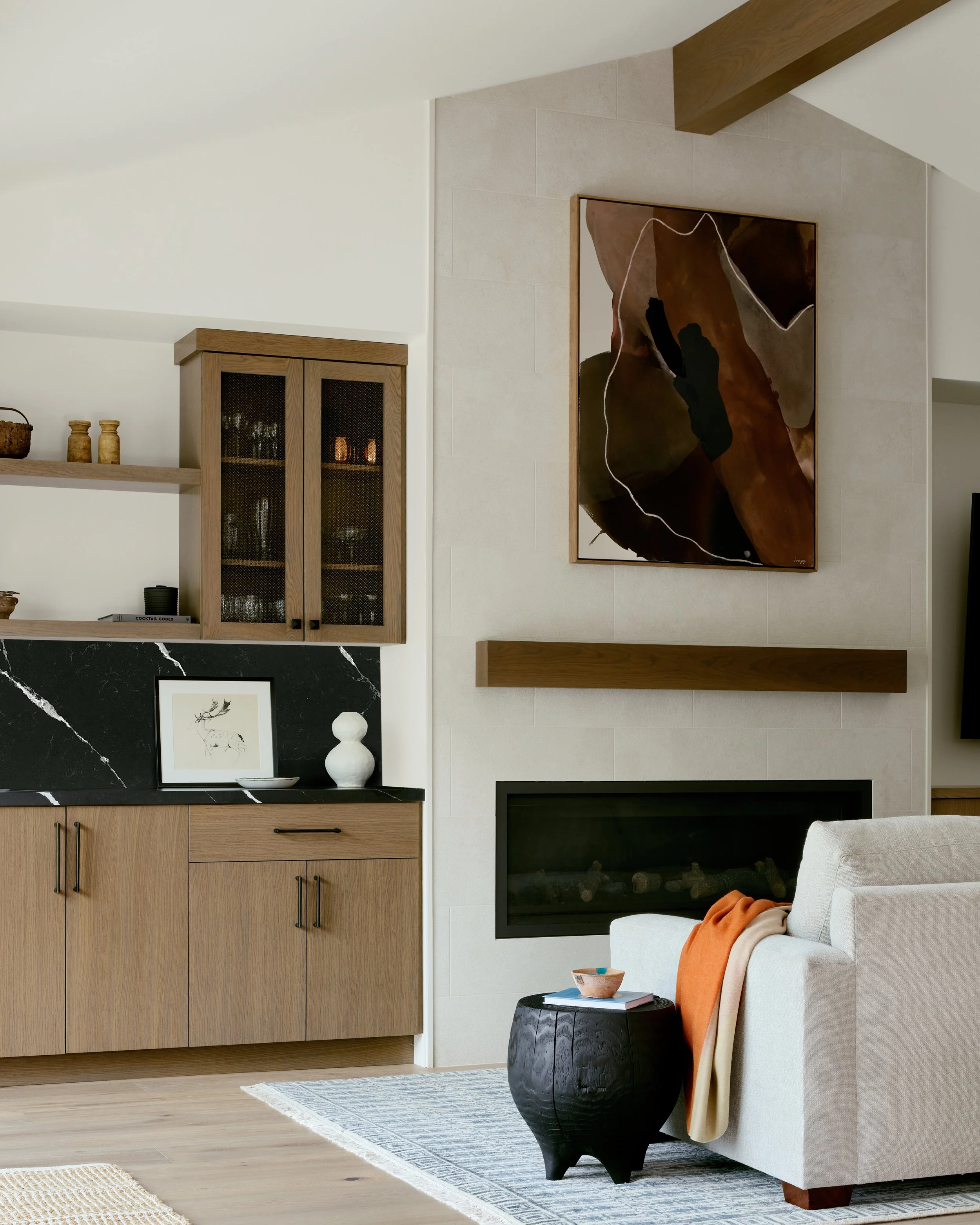
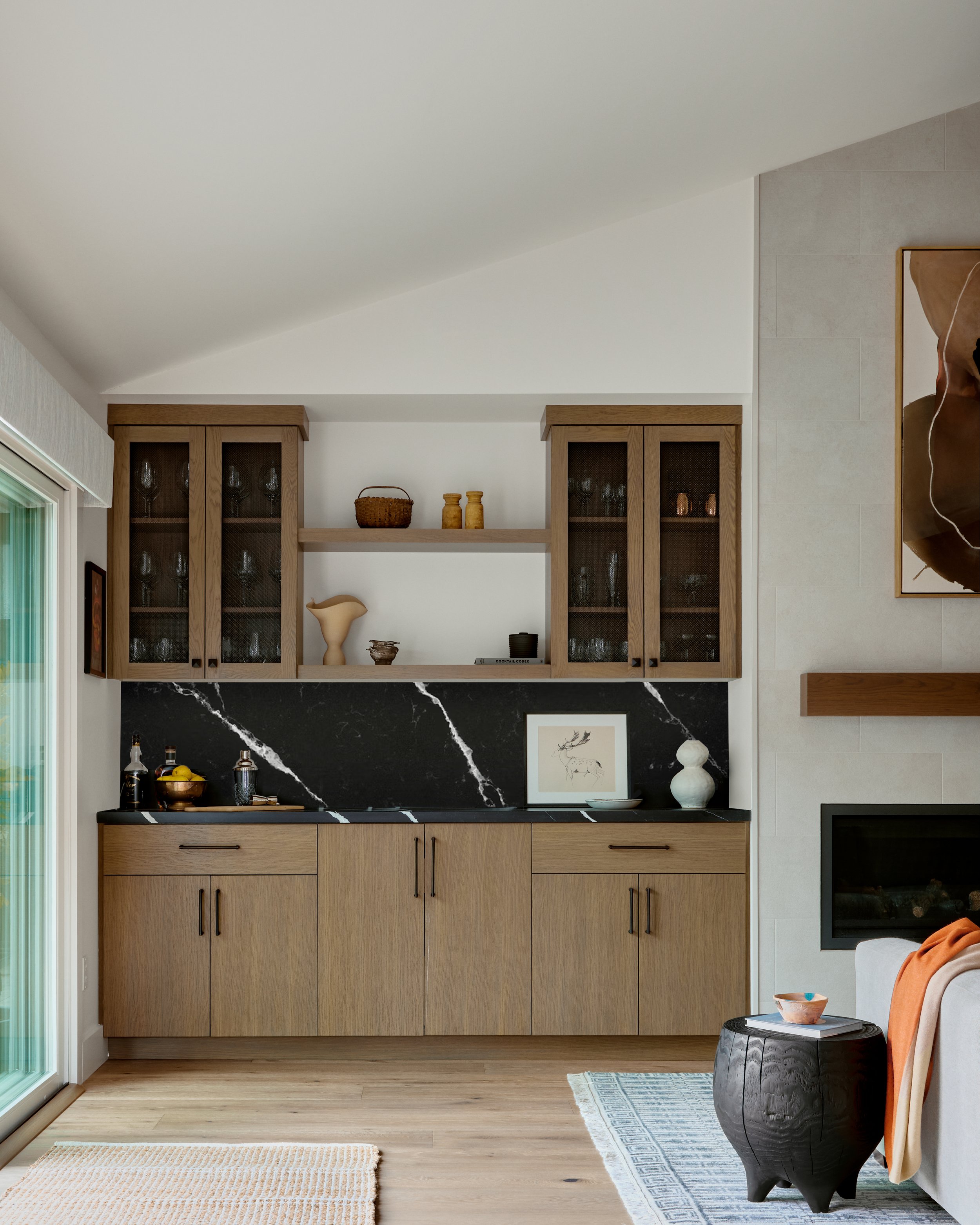
The fireplace was relocated, the entry sequence was refined, and a dedicated bar area was incorporated to improve flow between the kitchen, dining, and living spaces. The home now feels naturally oriented toward gathering and connection.
Outdoor integration also became a central part of the design strategy. Because the property backs onto the golf course, the clients wanted the home to feel open to the outdoor landscape while still maintaining privacy and a sense of retreat.
Quieter wellness-oriented spaces were thoughtfully located in more private areas of the property, including access to a sauna, cold plunge, hot tub, and home gym.
The result is a home that balances social connection with everyday calm.
Transforming the Kitchen Into the Heart of the Home
One of the most dramatic transformations happened within the kitchen remodel itself.
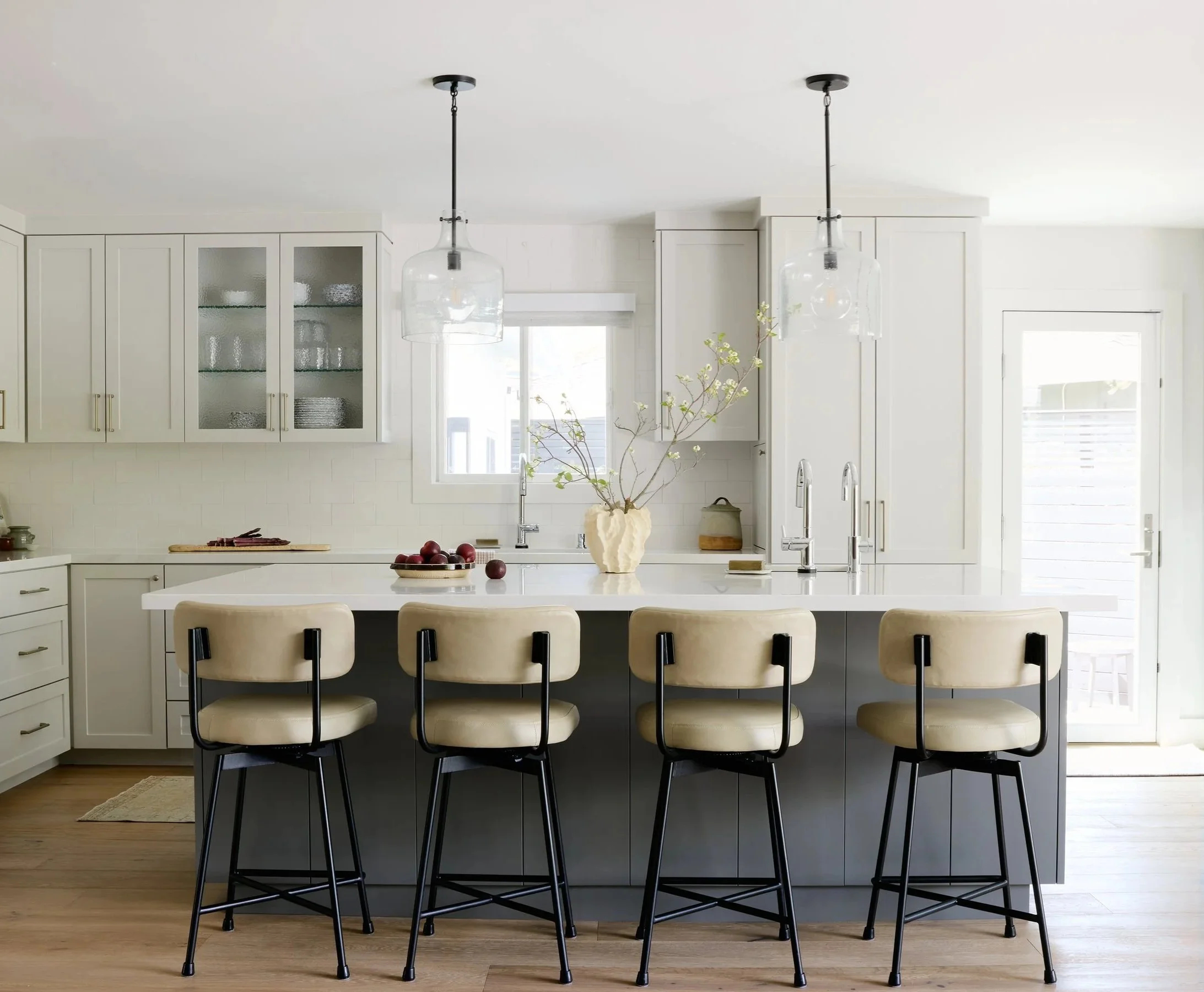
Originally constrained by the home’s narrow footprint, the kitchen lacked both functionality and visual connection to the surrounding spaces. The design team integrated the kitchen into the main living area while giving it ample separation. From the entry, sight lines connect through the living room and bar to the exterior and golf course. While the kitchen is fully connected to this space, the mess of cooking is out of these primary and secondary sight lines.
Wide plank European oak flooring, layered natural wood tones, and clean-lined cabinetry establish a modern organic aesthetic throughout the home. The palette remains intentionally restrained, allowing natural light, texture, and architectural details to take the lead.
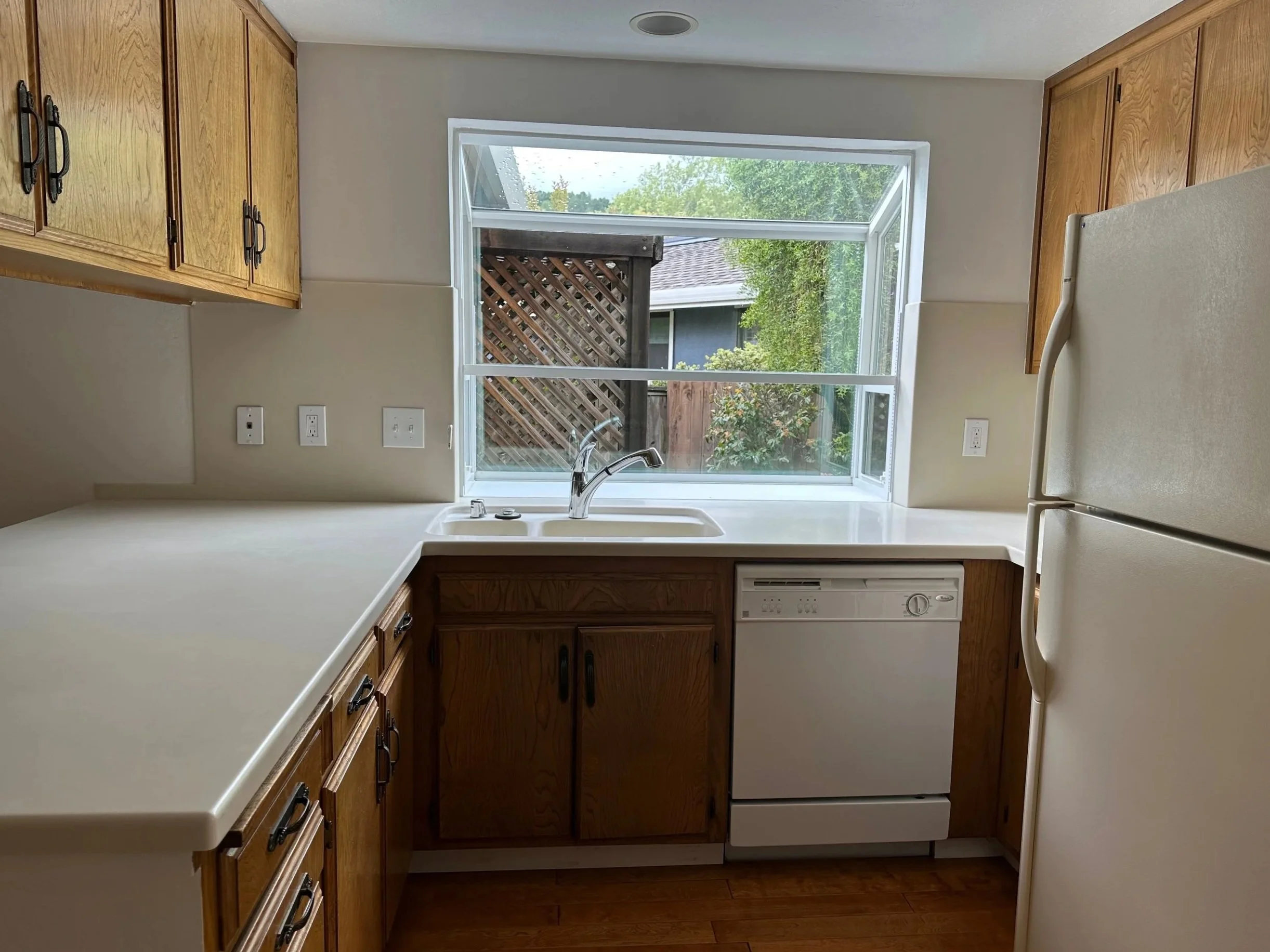
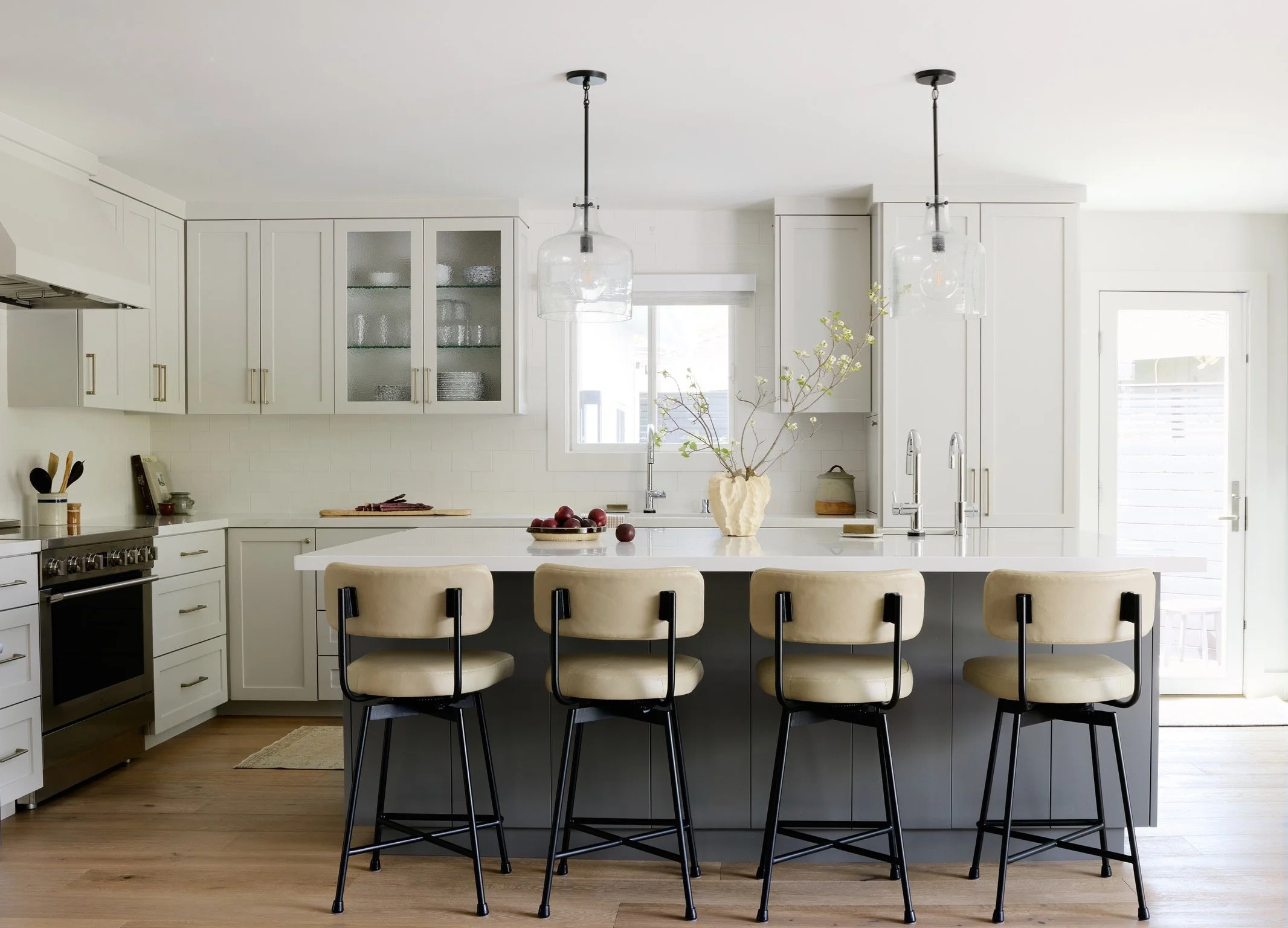
Click to view the kitchen before the transformation
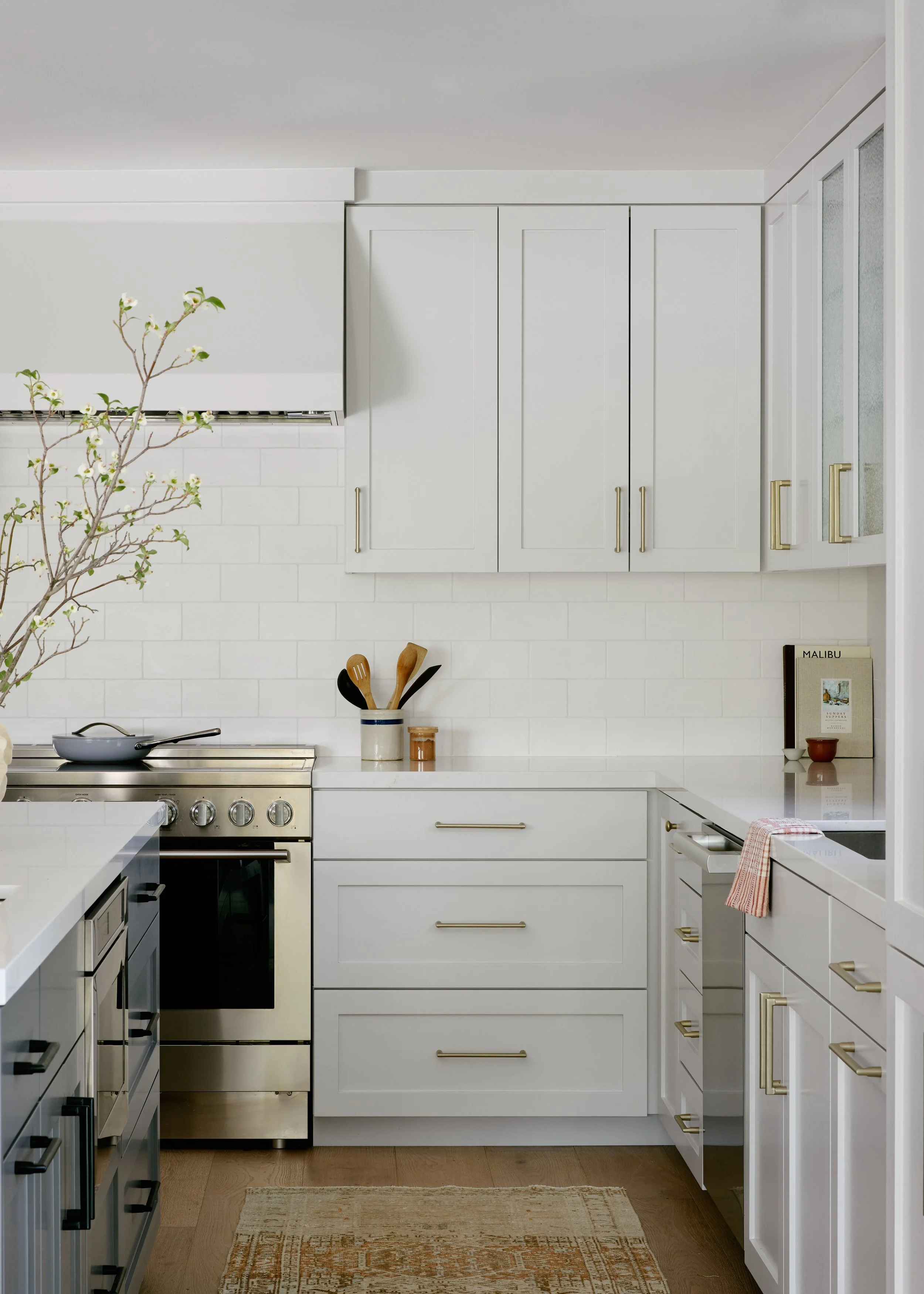
Creating More Function Within the Existing Layout
One of the most compelling aspects of the remodel was how much functionality was gained without significantly increasing square footage.
The primary bathroom was fully reconfigured to feel calmer, more spacious, and more efficient within the existing footprint. Elsewhere, a former utility closet and shelving alcove were transformed into a full guest bathroom positioned near the guest bedrooms for visiting family and friends.
To enable quiet work and distraction-free video calls, a perfectly-sized, full home office was added to the more private area of the home.
These moments are often where considered interior architecture has the most profound impact, not through excess space, but through better use of the existing space.
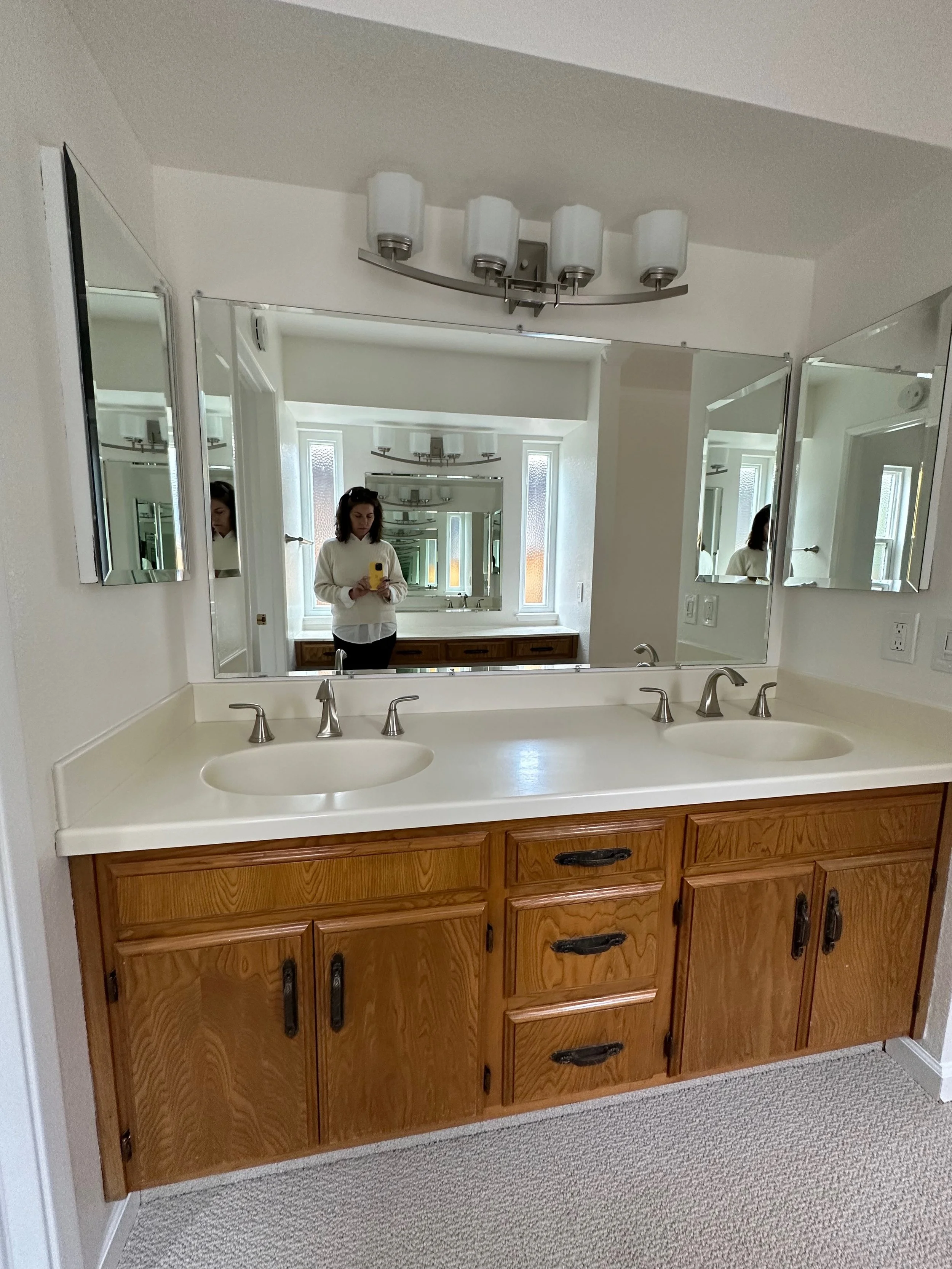
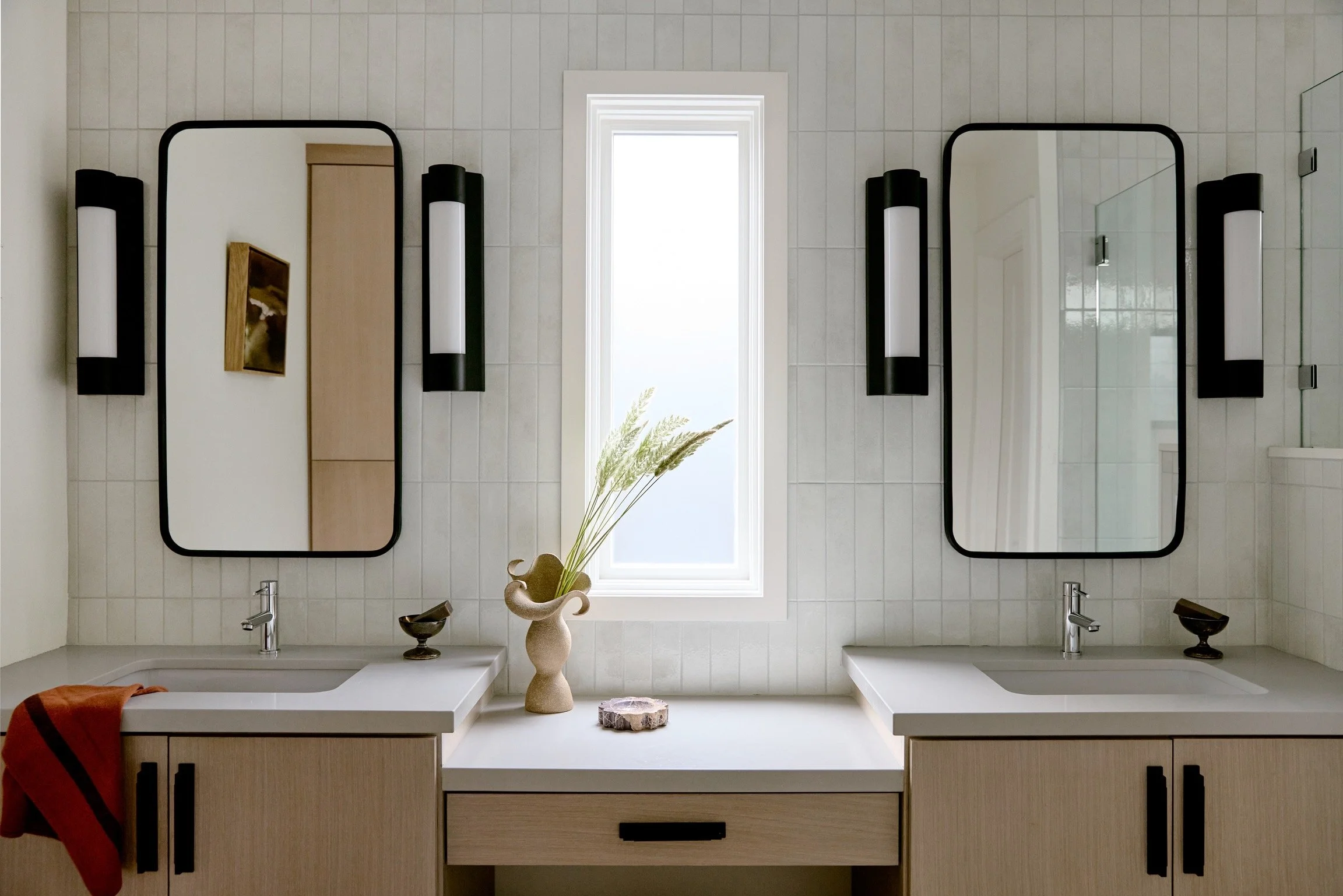
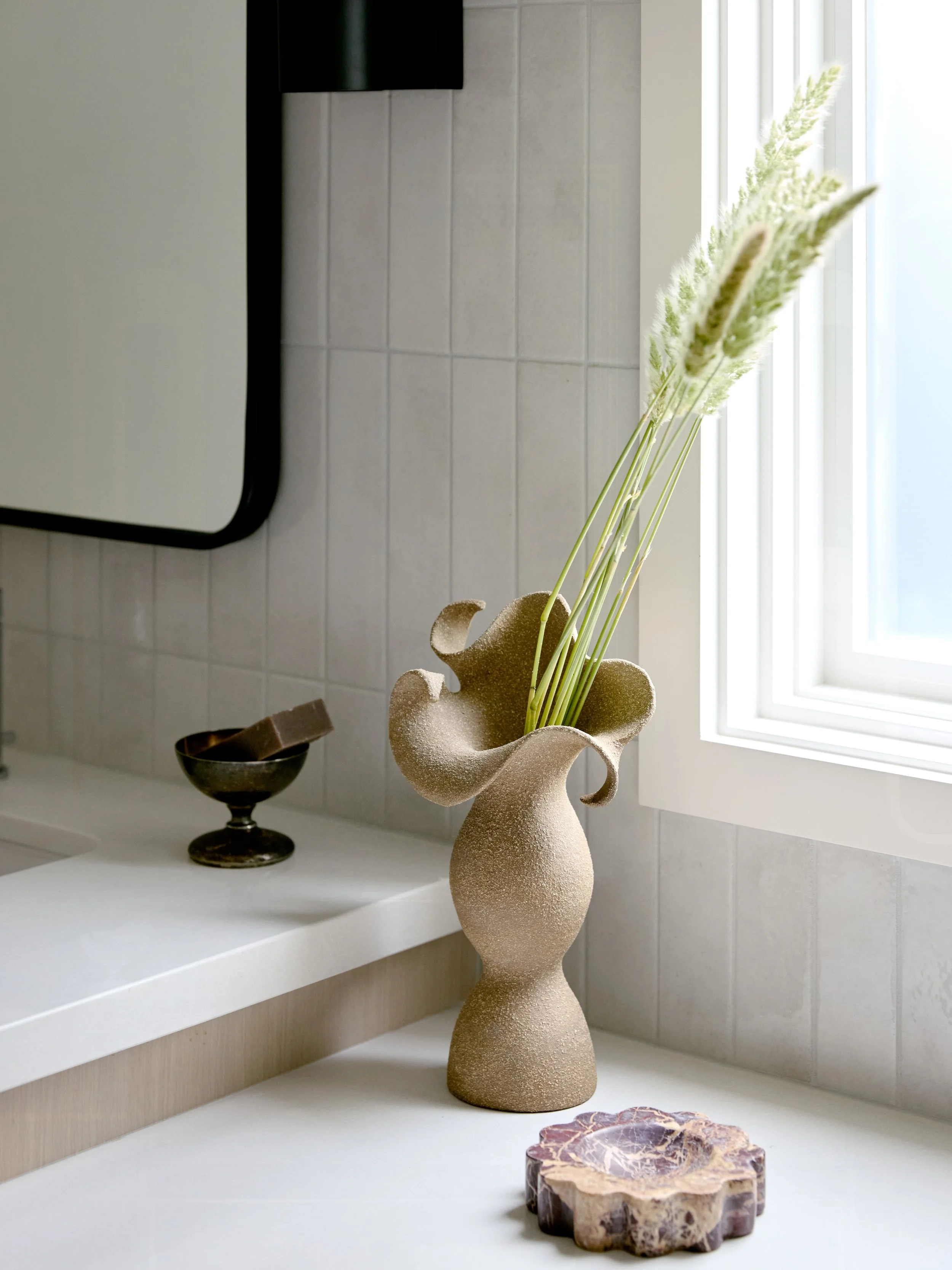
Click to view the primary bathroom before the transformation
Balancing Budget, Timeline, and Full-Service Renovation
Beyond the design itself, the project required extensive orchestration from start to finish.
After selling their previous home, the clients moved into a one-year rental during construction, requiring the design, HOA approvals, permitting, and renovation timeline to stay on a tight, well-coordinated timeline.
The Eleven11 team guided the project through:
HOA board presentations and approvals
Permit coordination
Contractor collaboration
Vendor management
Finish sourcing
Construction oversight
Timeline management
Within roughly six weeks, the project was developed and submitted for HOA review. From there, the team navigated approvals, permitting, and a full gut renovation, all while helping the clients make thoughtful, value-conscious decisions that aligned with both budget and lifestyle goals.
From initial hiring to move-in, the entire project was completed in approximately one year.
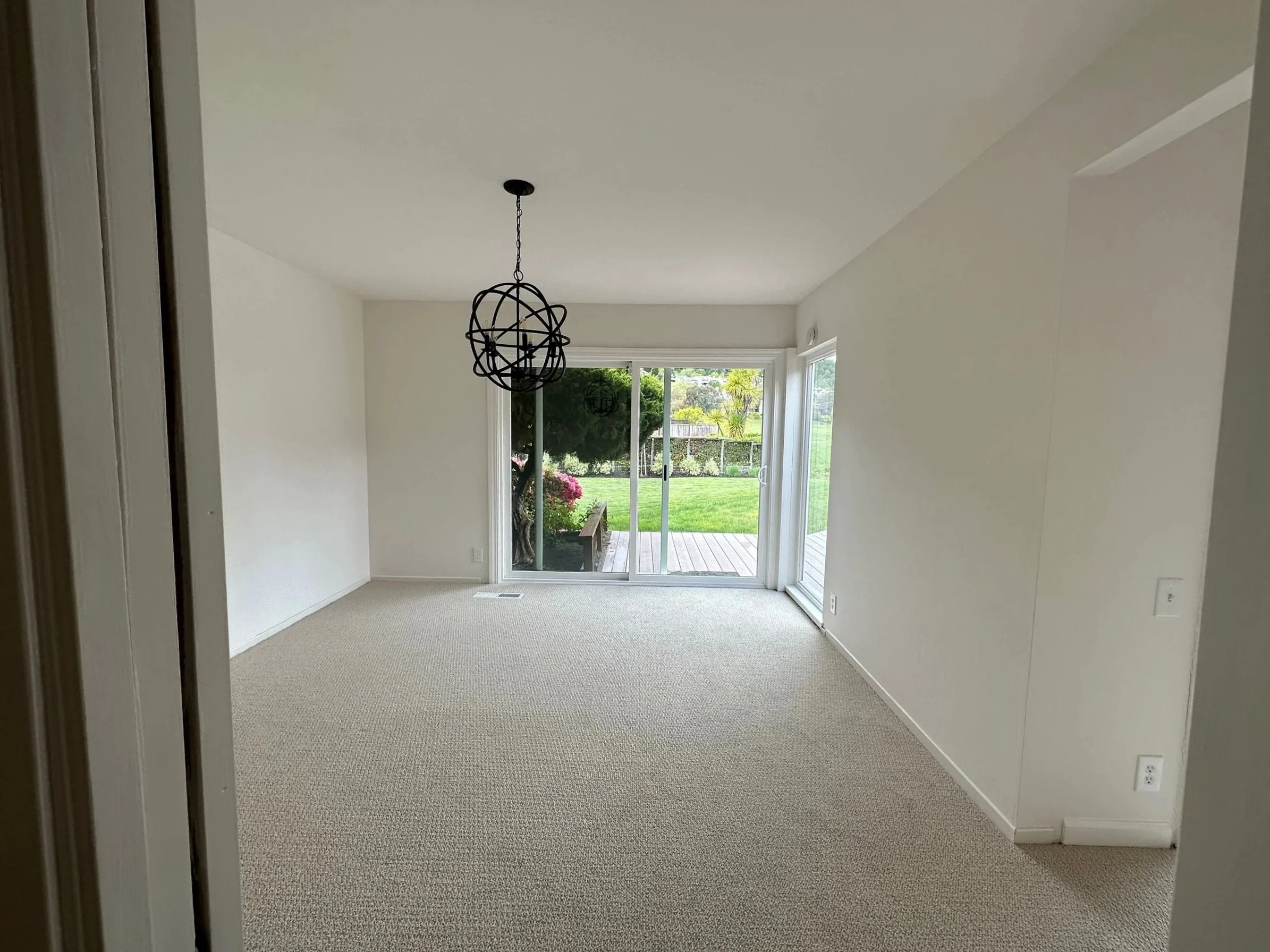
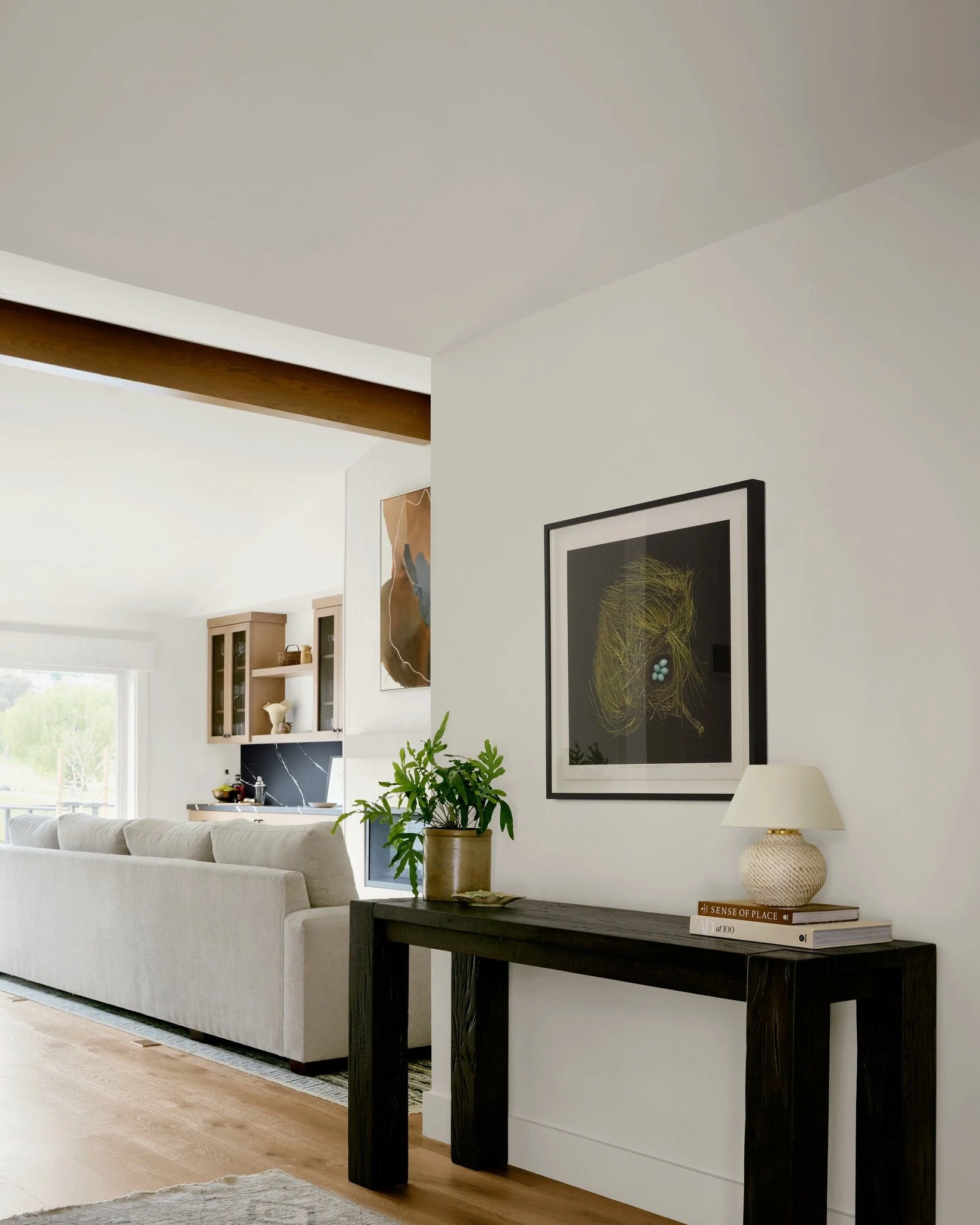
Click to view the entryway before the transformation
The Final Result: A Home Designed Around Everyday Living
Today, Augusta Drive feels entirely transformed from its original 1970s footprint.
The flow feels intuitive. The entertaining spaces feel open and connected. The office benefits from total separation, while the relationship between indoor and outdoor living feels cohesive and intentional.
Most importantly, the home now supports the way the clients actually want to live.
Projects like Augusta Drive reflect what full-service interior design can accomplish when strategic space planning, thoughtful execution, and close collaboration come together. It’s not simply about creating beautiful rooms. It’s about creating homes that function better, feel better, and support the lives unfolding inside them.